GTA Mosquito Season: Myths vs. Facts for Durham Homeowners
TL;DR
GTA mosquito season is longer and more variable than most homeowners assume, often stretching from late April into October depending on rainfall and temperature. Many common beliefs about mosquitoes, like bug zappers working or dry summers meaning no bugs, simply aren't true. Understanding the real facts helps Durham Region residents protect their yards more effectively.
Key Takeaways
- GTA mosquito season typically runs from late April through early October, longer than many homeowners expect
- Standing water, not just ponds or lakes, is the top breeding source around most Durham Region properties
- Bug zappers and citronella candles have limited real-world effect on biting mosquito populations
- Temperature and rainfall patterns, not just the calendar, determine when mosquito activity peaks each year
- Regular property inspections and larval source reduction are more effective long-term than reactive spraying alone
Every spring, homeowners across Durham Region start asking the same question: when does mosquito season actually begin, and how long will it last? Between old wives' tales passed down from neighbours and half-remembered facts from the internet, it's easy to end up with a confused picture of what's really happening in your backyard. This post breaks down the most common myths about GTA mosquito season and replaces them with the facts, so you can plan your summer with a clearer head.
Myth: Mosquito Season in Durham Region Starts in June
Many residents assume mosquitoes don't become a problem until school lets out for summer. In reality, mosquito activity in Oshawa and surrounding areas often begins much earlier. Once daytime temperatures consistently sit above 10°C for several days, overwintering mosquitoes become active, and eggs laid the previous fall can hatch as soon as meltwater and spring rains create standing pools. That means late April or early May is a realistic start date in most years, not June.
This is one of the reasons our complete guide to mosquito control across Durham Region recommends starting yard inspections before the weather actually feels like mosquito weather. Waiting until you're getting bitten on the deck usually means the population has already had a few weeks to build.
Myth: A Dry Summer Means No Mosquitoes
It seems logical that less rain would mean fewer mosquitoes, but the relationship is more complicated. Mosquitoes need standing water to complete their life cycle, and in drier years homeowners often unknowingly create that water themselves. Clogged eavestroughs, saucers under potted plants, unused kiddie pools, and even a bunched-up tarp can hold enough water for a full mosquito generation. A dry summer can still produce a bad mosquito year around your property in Whitby or Ajax if these small water sources go unnoticed.
On the flip side, a rainy season doesn't guarantee misery either, as long as standing water is regularly emptied or treated. The real driver isn't total rainfall so much as how much standing water sits around undisturbed for more than four or five days at a time.
Myth: Mosquitoes Only Bite at Dusk
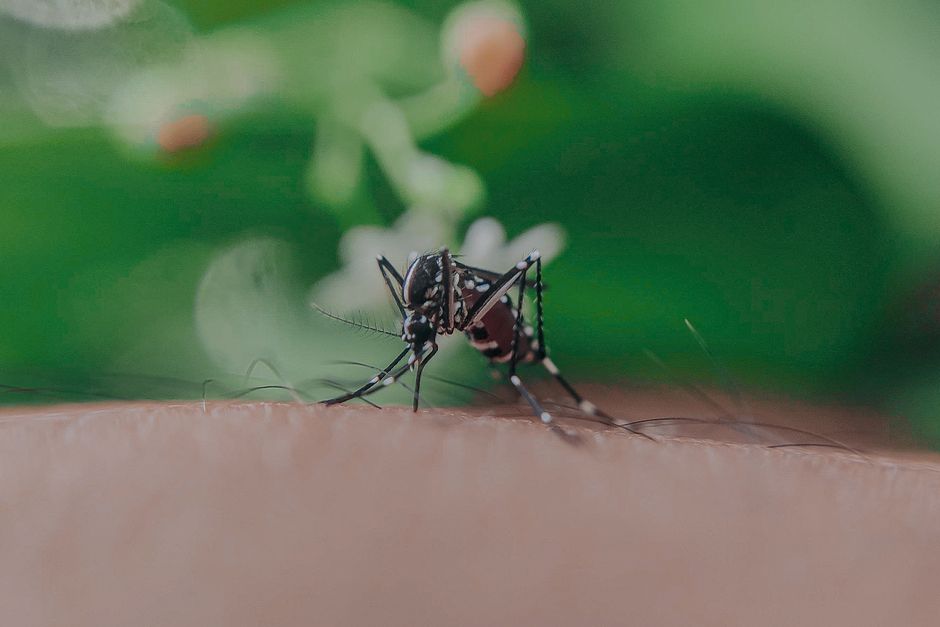
Dusk and dawn are peak biting times for many mosquito species common to the GTA, but treating those hours as the only risk window leads people to let their guard down the rest of the day. Some species, including the Asian tiger mosquito which has been found in parts of the region, are aggressive daytime biters, especially in shaded areas like under decks, along treelines, or near dense shrubs. Homeowners in Clarington and Courtice with wooded lots often notice daytime biting activity is just as bad as evening activity, particularly in areas with heavier tree cover.
Myth: Bug Zappers and Citronella Candles Solve the Problem
These products are popular because they're inexpensive and easy to find, but their real-world impact on biting mosquito numbers is limited. Bug zappers are attracted to light and heat, which draws in far more harmless insects than actual mosquitoes, and studies on their effectiveness against mosquito populations have generally been disappointing. Citronella candles can offer a small amount of localized, short-range deterrence, but wind, distance from the source, and the sheer number of mosquitoes in a yard usually overwhelm any benefit within a few feet of the candle.
If you've relied on these tools for years and still feel like your patio is unusable most evenings, that's not a sign you're doing something wrong. It's a sign the tools themselves have real limits.
Fact: Source Reduction Matters More Than Spraying Alone
One of the more useful facts for GTA homeowners is that finding and eliminating breeding sites has a bigger long-term impact than any single spray treatment. Adult mosquitoes are relatively easy to knock down temporarily, but if the eggs and larvae in a nearby birdbath or drainage area are left alone, the population rebounds within one to two weeks. Walking your property every few days during peak season, dumping standing water, and checking low-lying areas after rain is genuinely one of the most effective things a homeowner can do.
This is also why professional programs typically combine larval site treatment with barrier applications on vegetation where adult mosquitoes rest during the day. Our mosquito control services are built around that same principle, focusing on the areas around a property where mosquitoes actually live and breed, not just a general fog over the lawn.
Fact: GTA Mosquito Season Length Varies Year to Year
There's no fixed calendar date when mosquito season ends in the GTA. Activity generally tapers off once nighttime temperatures drop consistently below 10°C, which can happen anywhere from late September to late October depending on the year. Warm, wet falls tend to extend the season noticeably, which is something residents in Bowmanville and across Durham Region have experienced in recent years when mild October weather kept mosquitoes active well past Thanksgiving.
Because the season's length is so weather-dependent, it's worth reassessing your yard's risk periodically through the summer rather than assuming things wind down automatically once September arrives.
Fact: Local Conditions Across the GTA Aren't Uniform
Mosquito pressure isn't the same everywhere in the region. Properties near creeks, wetlands, or heavily wooded ravines tend to see higher populations than those on open, well-drained lots. This is part of why service needs can differ quite a bit between a townhouse in Ajax and a rural property near Port Perry or Uxbridge. Local geography, tree cover, and drainage all play a role in how bad a given season feels on any particular street.
If you're dealing with a consistently mosquito-heavy yard and have already tried the basics, it may be worth having someone take a closer look at what's actually driving the problem on your specific property. You can request a quote from Mosquito Man Plus to get a sense of what a tailored approach would involve for your home.
Planning Ahead for Next Season
Separating myth from fact isn't just an academic exercise. It changes how homeowners actually spend their time and money each summer. Instead of relying on citronella candles and hoping for a dry June, focusing on standing water, seasonal timing, and the real biology of mosquitoes in this region gives Durham homeowners a much better shot at reclaiming their backyards, whether that's a patio in Oshawa, a pool deck in Whitby, or a wooded lot in Clarington.
Frequently Asked Questions
When does mosquito season typically start in the GTA?
Mosquito activity in the GTA usually begins in late April or early May once daytime temperatures consistently rise above 10°C. Some years it can start even earlier if there's a mild spring with early meltwater.
How long does mosquito season last in Durham Region?
It generally runs from late April through late September or October, depending on how quickly nighttime temperatures drop in the fall. Warm, wet autumns can extend the season noticeably.
Do bug zappers actually reduce mosquito bites?
Bug zappers mainly attract insects to light and heat, which draws in far more harmless bugs than mosquitoes, so their real impact on biting populations is limited. They're not a reliable standalone solution.
What's the single most effective thing I can do myself to reduce mosquitoes?
Regularly checking your property for standing water in places like eavestroughs, plant saucers, and unused containers, and emptying them every few days, has the biggest long-term impact. This eliminates breeding sites before they can produce new adult mosquitoes.
Why do some GTA neighbourhoods seem to have worse mosquito problems than others?
Properties near creeks, wetlands, or dense tree cover tend to hold more standing water and shaded resting spots, which supports larger mosquito populations. Open, well-drained lots generally see less pressure.
Ready to clear mosquitoes off your property?
Send the details and Mosquito Man Plus will follow up with a focused quote for your yard, event, or business.
Get a Quote